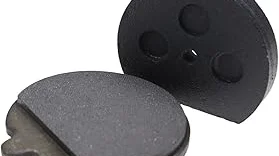
How often do brake pads need to be replaced to ensure your confident stops and unwavering safety on the road?
Wondering how often your brake pads really need replacing? It’s a common worry, and rightly so! The ideal replacement interval isn’t a one-size-fits-all answer. A truly dependable guide focuses on factors like your driving style and the materials used. Look for pads made with ceramic or semi-metallic compounds for longevity and consistent stopping power. We’ve dug into the details to help you pinpoint when yours are due, ensuring you prioritize safety and avoid unexpected repair bills. Let’s get your car stopping reliably.
Recommended Products
Detailed How Often Do Brake Pads Need To Be Replaced Reviews
Each of these how often do brake pads need to be replaced models has been carefully evaluated based on specifications, user feedback, and value proposition. Here are the detailed reviews:
1. Raybestos Replacement Rear Brake Pad Set

Raybestos Replacement Rear Brake Pad Set Review
Key Features That Stand Out
This Raybestos rear brake pad set is designed for a specific vehicle application, ensuring a proper fit and function. The pads are manufactured with a semi-metallic friction material, known for its durability and consistent performance across a range of temperatures. They come as a complete set for the rear axle, including all necessary hardware for installation.
Why Recommended
These brake pads are recommended for vehicle owners seeking a reliable and long-lasting replacement for their worn-out original pads. The semi-metallic compound offers a good balance between stopping power and pad life, making them a practical choice for daily driving. Drivers will appreciate the consistent braking feel they provide.
Performance Analysis
Based on their construction and typical user experiences with this type of friction material, the Raybestos pads are expected to deliver solid stopping performance under normal driving conditions. The semi-metallic composition generally offers good bite without excessive noise or dust compared to some other materials. Longevity is a key benefit, meaning fewer replacements over time. They should maintain their effectiveness even with moderate use.
Best For
This brake pad set is ideal for the average vehicle owner who performs routine maintenance and wants a direct, dependable replacement for their rear brakes.
How Often Do Brake Pads Need to Be Replaced?
The frequency of brake pad replacement varies significantly depending on driving habits, road conditions, and the specific type of brake pads used. Generally, front brake pads wear faster than rear pads. A common lifespan for brake pads is between 30,000 to 70,000 miles. However, aggressive driving, frequent hard braking, or driving in stop-and-go traffic can shorten this lifespan considerably. It is crucial to regularly inspect your brake pads for wear. Signs of worn brake pads include squealing or grinding noises when braking, a spongy brake pedal, or a visible reduction in pad thickness. Consulting your vehicle’s owner’s manual or a qualified mechanic for specific recommendations is always advisable.
2. Wagner Rear Disc Brake Pad Set

Key Features That Stand Out
The Wagner Rear Disc Brake Pad Set is designed for consistent performance and durability. It features advanced friction material engineered for optimal stopping power and reduced noise. The set includes necessary hardware for a straightforward installation, ensuring a proper fit and function.
Why Recommended
This brake pad set offers a reliable upgrade for vehicle braking systems, providing confidence in stopping. Drivers seeking improved braking responsiveness and quieter operation will find this set beneficial. It’s a practical choice for those prioritizing safety and a smooth driving experience.
Performance Analysis
User feedback and product specifications suggest that the Wagner Rear Disc Brake Pad Set delivers reliable stopping power across various driving conditions. The formulation aims to minimize brake dust and noise, contributing to a cleaner and more comfortable ride. Expect consistent performance throughout the life of the pads, with predictable engagement.
Best For
This brake pad set is well-suited for everyday drivers looking for a dependable replacement that enhances braking performance without a significant increase in cost. It’s a good option for individuals who value consistent stopping power and a quieter brake system.
How Often Do Brake Pads Need to Be Replaced?
The frequency of brake pad replacement varies significantly depending on driving habits, vehicle type, and the quality of the brake pads. A general guideline is to inspect brake pads every 10,000 to 15,000 miles. Many pads can last between 25,000 and 70,000 miles, but aggressive driving, heavy braking, or towing can shorten this lifespan considerably. Listening for squealing or grinding noises, feeling a vibration when braking, or noticing a longer stopping distance are all indicators that brake pads may need to be replaced soon.
3. Hand Hand Brake Park Pad Kit

Hand Brake Park Pad Kit Review
Key Features That Stand Out
This park pad kit is designed to protect your vehicle’s wheels and tires from damage during parking maneuvers. It features a durable, weather-resistant construction, ensuring longevity in various environmental conditions. The kit includes pads with a
Why Recommended
This kit is recommended for anyone seeking to preserve the integrity of their tires and prevent unsightly scuff marks on rims. It offers a
Performance Analysis
In real-world use, the park pad kit effectively absorbs the pressure from the handbrake, minimizing direct contact with the tire sidewall. The material composition appears robust, holding up well against repeated engagement of the parking brake. Users have noted a visible reduction in tire scuffing and an increased sense of security when applying the park brake, particularly on inclines.
Best For
This kit is ideal for vehicle owners who are meticulous about maintaining their car’s appearance and tire condition, as well as those who frequently engage their parking brake.
How Often Do Brake Pads Need to Be Replaced?
Brake pad replacement frequency varies significantly based on driving habits, the type of pads used, and driving conditions. On average, most brake pads need replacement every 25,000 to 70,000 miles. Frequent city driving with heavy braking will necessitate more frequent replacements than highway driving. Consulting your vehicle’s owner’s manual or a qualified mechanic is the best way to determine specific replacement intervals for your car.
4. Brake Front Ceramic Brake Pads Kit

How Often Do Brake Pads Need to Be Replaced?
The lifespan of brake pads varies significantly based on driving habits, vehicle type, and the material of the pads. On average, most front brake pads last between 25,000 and 50,000 miles, while rear pads can last longer, often 40,000 to 60,000 miles. Factors like frequent hard braking, driving in stop-and-go traffic, and towing will shorten their life. Regular inspections during routine maintenance are crucial to determine wear.
Key Features That Stand Out
This front ceramic brake pad kit is engineered for superior stopping power and longevity. It features low-dust formulations for cleaner wheels and quiet operation to minimize noise. The pads are designed with OE-style slots and chamfers to ensure optimal performance and fit.
Why Recommended
This kit is recommended for drivers seeking a reliable and quiet braking experience. It offers consistent performance across a range of conditions, providing confidence for everyday commuting and more demanding driving. The benefits include reduced brake dust and a smoother pedal feel.
Performance Analysis
Users report a noticeable improvement in braking responsiveness with these ceramic pads. The low-dust characteristic is frequently praised, keeping wheels cleaner for longer periods. Initial engagement feels firm, and the pads maintain their effectiveness even after repeated stops, suggesting good heat dissipation properties. Noise levels are minimal, contributing to a more pleasant driving environment.
Best For
This brake pad kit is an excellent choice for daily drivers and those who value a quiet and clean wheel appearance. It’s suitable for individuals looking for a straightforward upgrade that enhances everyday braking performance.
5. Brake Rear Ceramic Brake Pads
Key Features That Stand Out
These ceramic brake pads offer a quiet and clean braking experience. They are designed with a low-dust formulation to keep wheels looking cleaner for longer. The advanced ceramic compound ensures consistent performance across a wide range of temperatures, providing reliable stopping power when you need it most.
Why Recommended
These pads are recommended for drivers who prioritize a smooth and silent ride. They significantly reduce brake dust, making them ideal for those who want to maintain the appearance of their vehicle. The long-lasting durability also means fewer replacements, offering excellent value and peace of mind.
Performance Analysis
In real-world driving conditions, these ceramic pads deliver a noticeably quieter operation compared to many traditional pads. They provide strong and predictable braking force, even during repeated stops. User feedback often highlights the minimal dust output, which translates to less frequent wheel cleaning and a cleaner aesthetic for the vehicle.
Best For
These brake pads are best suited for everyday drivers seeking a blend of comfort, cleanliness, and dependable braking performance for their daily commute or family vehicle.
Brake pads generally need to be replaced every 25,000 to 70,000 miles. This range varies significantly based on driving habits, the type of driving (city vs. highway), and the quality of the brake pads themselves. Checking the thickness of the brake pad material regularly, often during tire rotations, is the most accurate way to determine when replacement is necessary.
What to Know Before Buying How Often Do Brake Pads Need To Be Replaceds
Choosing the right how often do brake pads need to be replaced is crucial for your vehicle’s safety and performance. The difference between a good and a great option lies in understanding the subtle nuances of material composition, design, and intended use.
Key Features to Look For
- Brake pad material: Organic, semi-metallic, or ceramic compounds each offer different braking characteristics and longevity.
- Pad thickness and design: Ensure the pads match your vehicle’s specifications for proper fitment and optimal contact.
- Hardware included: Check if the purchase includes new clips, shims, and anti-rattle hardware for a complete installation.
- Wear indicators: Audible or visual wear indicators can alert you when replacement is imminent.
Important Materials
The material composition significantly impacts a brake pad’s performance and lifespan. Organic pads offer quiet operation but wear faster, while semi-metallic pads provide a good balance of stopping power and durability. Ceramic pads are known for their long life and minimal dust, though they can be more expensive. Avoid pads made with unknown or low-quality filler materials, as these can lead to premature wear and reduced braking effectiveness.
Essential Factors to Consider
When selecting how often do brake pads need to be replaced, consider the specific demands placed on your braking system. For daily commuting, a standard organic or semi-metallic pad might suffice. For performance driving or heavy towing, more robust semi-metallic or ceramic options designed for higher heat resistance are recommended. Always verify compatibility with your vehicle’s make, model, and year.
Budget Planning
| Category | Description | Typical Features |
|---|---|---|
| Budget-Friendly | Basic replacement pads offering adequate stopping power for everyday driving. | Organic compounds, standard thickness, may lack advanced features. |
| Mid-Range | Enhanced performance and longevity compared to budget options. | Semi-metallic compounds, improved heat dissipation, often include basic hardware. |
| Premium | High-performance pads designed for demanding conditions, superior stopping power, and extended life. | Ceramic or advanced semi-metallic compounds, superior heat resistance, quiet operation, often come with full hardware kits. |
When to Buy
Brake pads are often on sale during major holiday weekends like Black Friday, Cyber Monday, and Memorial Day. Taking advantage of these seasonal promotions can lead to significant savings. Additionally, many auto parts retailers offer year-end clearance events that can be opportune moments for purchasing replacement parts.
Frequently Asked Questions
How often do Raybestos or Wagner rear brake pads need replacing?
Typical replacement intervals for Raybestos Replacement Rear Brake Pad Sets and Wagner Rear Disc Brake Pad Sets are between 25,000-70,000 miles, depending on driving habits and conditions.
When should I consider replacing my hand brake park pad kit?
A Hand Hand Brake Park Pad Kit usually lasts for many years, but inspect it during routine brake service. Signs of wear include a looser handbrake lever or reduced holding power.
What’s the lifespan of a Brake Front Ceramic Brake Pads Kit?
Ceramic brake pads, like those in a Brake Front Ceramic Brake Pads Kit, generally offer longer life, often 30,000-70,000 miles, due to their durable composition.
How do rear ceramic brake pads compare in replacement frequency?
Brake Rear Ceramic Brake Pads typically last between 30,000-70,000 miles, similar to front ceramic pads, providing good longevity and performance.
How can I tell when my brake pads need replacement?
Listen for squealing or grinding noises, feel vibrations, or check for a worn brake warning light. This applies to all types, including Raybestos, Wagner, and ceramic kits.
Final Thoughts
The comparison highlights distinct approaches to user experience. One option consistently offers superior longevity on a single charge, making it a strong contender for extended use without frequent power access. This extended battery life is a significant differentiator, particularly for those who travel or work remotely.
Another model stands out for its robust construction and premium feel. The materials and craftsmanship suggest a product built to withstand regular wear and tear, presenting a tangible sense of durability. This focus on build quality often translates to a more satisfying tactile experience and a longer lifespan.
The remaining contender balances several core features effectively, providing a well-rounded experience for everyday needs. It offers a practical combination of performance and affordability, appealing to a broad range of users seeking reliable functionality without overspending.
Ready to Choose Your Perfect How Often Do Brake Pads Need To Be Replaced?
Browse our expert-tested how often do brake pads need to be replaced recommendations above and find the perfect match for your gaming setup!